A wider view of what is possible.
Medicine at the foundation. Healthcare, aerospace, investment, writing and film built around it.
“Let your plans be dark and impenetrable as night, and when you move, fall like a thunderbolt.”
A multidisciplinary journey.
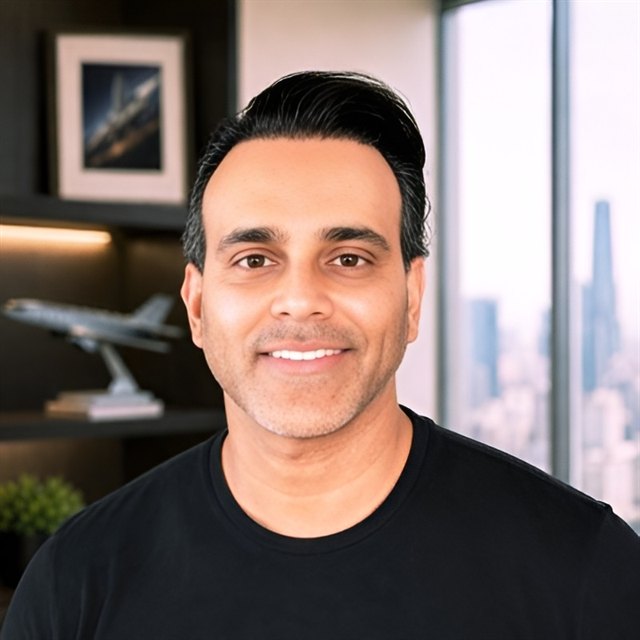
Dr. Irfan Siddiqui is a physician with more than twenty-five years in medicine. From that foundation he has built across industries: medico-legal advisory, concierge healthcare, aerospace radiation-testing infrastructure and long-term private investment, alongside a published book and feature-film credits.
“It’s hard to beat somebody who never gives up.”
Building across industries.

Impero Capital Holdings
Family office · Principal capital for long-term ownership.

Aerospace Research Center
Aerospace & defense · 230 MeV proton radiation testing.

Regenerative Health & Wellness
Healthcare · Concierge medicine built on access and continuity.
Expert Medical Advisors & Consultants
Medical-legal · Independent medical review and expert opinions.

Millenia Financial Solutions
Litigation finance · Non-recourse pre-settlement funding.
Writing & film.
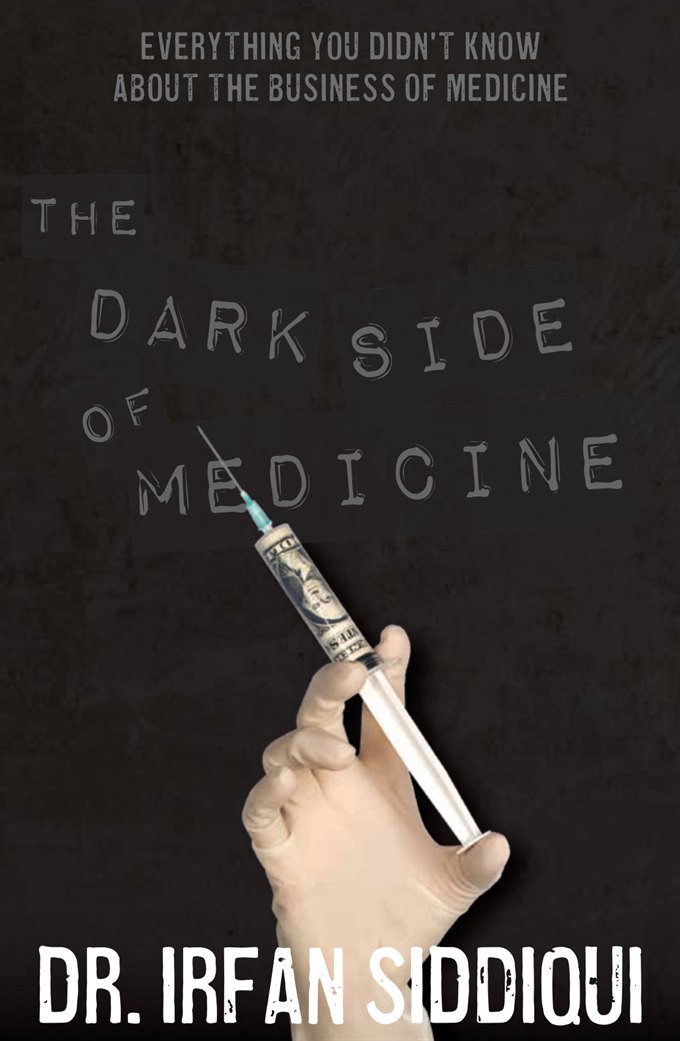
The Dark Side of Medicine
A physician’s perspective on medicine, business, calculated risk and building a balanced life beyond the conventional path.

Sacramento
Road comedy starring Michael Cera, Michael Angarano, Maya Erskine and Kristen Stewart.

The Astronaut
Science-fiction thriller starring Kate Mara, Laurence Fishburne and Gabriel Luna.
Peer-reviewed research.
Percutaneous Patent Foramen Ovale Closure Using Helex and Amplatzer Devices without Intraprocedural Echocardiographic Guidance
Siddiqui IF, Michaels AD. Journal of Interventional Cardiology, 24(3):271–277.
Long-Term Efficacy of Transcatheter Patent Foramen Ovale (PFO) Closure in Relief of Migraine Headache with Aura
Siddiqui I, Behura A, Hussain N, Badshah A. Chest, 136(4):106S. Meeting abstract.

The Siddiqui Family Foundation.
Recurring grants since 2016 to children and families, food and shelter, medical research and humanitarian relief, with a particular commitment to Central Florida.









Ideas at the intersection.
Commentary on medicine, medico-legal practice, aerospace and healthcare.
Physicians as Investors: Where Clinical Judgement Helps, and Where It Doesn’t
Where clinical judgement helps physicians as investors, and where it misleads.
What Twenty-Five Years in Medicine Taught Me About Building Businesses
What the habits that keep patients safe teach about building companies that last.
Calculated Risk: A Cardiologist’s Framework for Big Decisions
Interventional cardiology weighs benefit against risk every day. The same six questions work for business and investing.
Raising Children Who Understand Ownership
Assets can be transferred with a signature. The judgement to look after them has to be taught.
What Medicine Teaches About Stewarding Family Wealth
A family office is, in many ways, the financial equivalent of continuity of care: one accurate picture, coordinated advisers and a long horizon.
What Makes an Independent Medical Opinion Useful?
In a contested claim, the value of an expert opinion lies less in its conclusion than in how clearly it shows the work behind it.
Florida’s Heart/Lung Bill: A Cardiologist’s Guide for Attorneys
Section 112.18 creates a presumption for firefighters, law enforcement and correctional officers. Understanding the medicine makes the statute easier to apply.
Radiation-Effects Testing and the New Space Economy
As launch costs fall and satellites multiply, the ability to prove electronics can survive space radiation has become critical infrastructure.
Why Continuity Matters in Concierge Medicine
The most valuable thing a physician relationship can offer may be the simplest: the same doctor, over time, who knows your history.